Jan & John Maggs
Antiques and Art
Sold Out
~ ~ ~ ~ ~ ~ ~ ~ ~ ~ ~ ~ ~ ~ ~ ~ ~ ~ ~ ~ ~ ~ ~ ~ ~ ~ ~ ~ ~ ~ ~ ~ ~ ~ ~ ~ ~ ~ ~ ~ ~ ~ ~ ~ ~ ~ ~ ~ ~ ~ ~ ~ ~
~ ~ ~ ~ ~ ~ ~ ~ ~ ~ ~ ~ ~ ~ ~ ~ ~ ~ ~ ~ ~ ~ ~ ~ ~ ~ ~ ~ ~ ~ ~ ~ ~ ~ ~ ~ ~ ~ ~ ~ ~ ~ ~ ~ ~ ~ ~ ~ ~ ~ ~ ~ ~
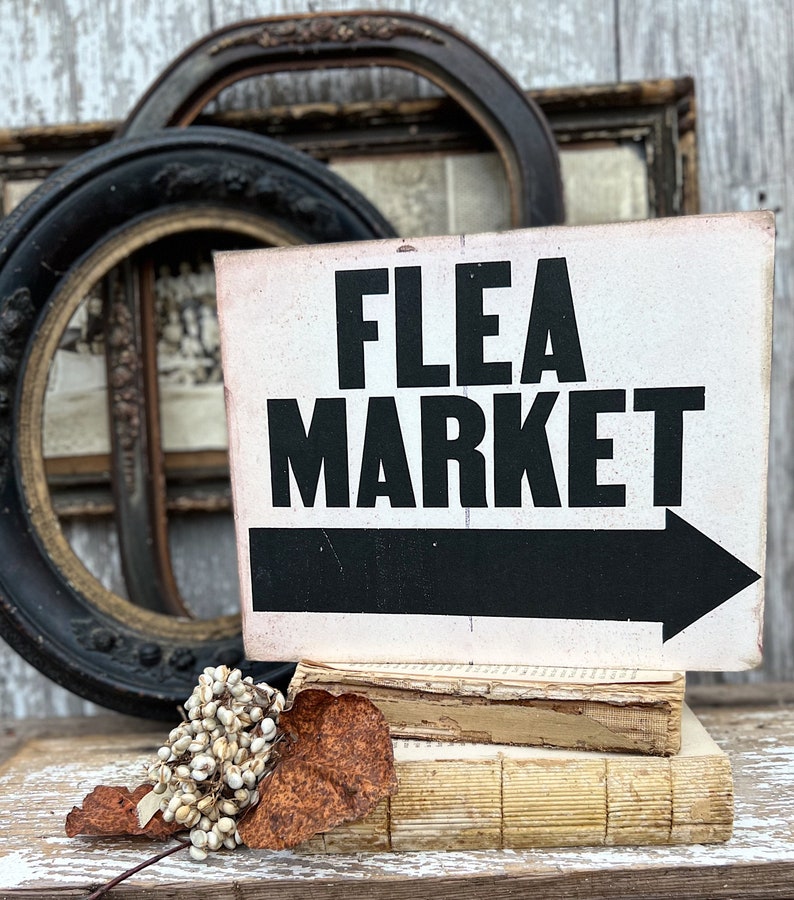
Our antiques business had very humble beginnings. When we began to buy and sell, our financial resources lagged far behind our knowledge and aspirations. In those days our buying for resale consisted mostly of table lots at local auction houses and Saturday morning tag sales. Our principal selling venue was the weekly flea market, which took place on Sundays in a defunct local grocery store. For $15 we rented the eight-by-ten-foot floor space from which we displayed our merchandise. Though there were other purveyors of antiques in the market, our neighbors typically were sellers of anything from antiques to toys, tools, and tube socks. It was about as far as you can get from Rhinebeck!
At the flea market our most important customers were dealers higher up the food chain then we were. As we unpacked our merchandise each Sunday morning, a dozen or so pickers and dealers would queue in front of our tables. We learned to anticipate their needs, and they responded by buying our stock. Eventually, these relationships would provide the incentive and resources we needed to begin exhibiting at shows.
But the most important lesson we learned from the flea market was that, regardless of the quality and price of stock, not everything sells. We discovered quite early that the things that didn't sell when they were first shown were not quick to sell afterwards. The "best of the fresh" were usually the first to go, while the longer we owned something, the less likely it was to leave us.
This condition is chronic in our business. A long-time dealer once told us that, "an inventory is a list of your mistakes." Though not entirely true, his maxim contains more than a grain of truth. As unsold pieces remained with us, our inventory grew, and each week we had a little more stock, despite the fact that we were selling well and making a decent profit. When we looked at our cardboard boxes filled with our aging stock, we searched for a way to reduce it.
We decided to consign these "old friends" to a local auction gallery. We had made sufficient profit on the things we'd sold; we'd recoup whatever we could from the rest and use the cash to buy fresh stock - as good a plan today as then. But first we'd give it one more try at the flea market. We reduced the prices of our old stock, loaded everything into about fifteen empty Xerox copy paper boxes and, with our tables and dolly in the van, headed off to the flea market. Whatever didn't sell today would go to auction on Monday.
As always, our regulars were there at 6:30. They reacted very favorably to our reduced prices, and by 7:30 we had taken in several hundred dollars. Our strategy was working.
A few minutes before 8:00 a.m., a young man we'd never seen before paused in front of our tables and began to examine a few things. For several minutes he pondered the contents of our tables. Eventually, he approached. "You know, I really like your stuff," he said. "This is just the kind of thing I sell. I'd be interested in buying all of it."
He handed us a small piece of paper with a phone number on it and continued, "When you get home tonight, figure out how much you need to get for everything, and give me a call."
"Why wait until tonight? Come back in ten minutes," I replied.
He agreed to return, and, still surrounded by paying customers, we managed to take a quick tally of the costs of everything with our cost code on it. Our total was about $460. The total didn't include all of the additional miscellanea in which we had little or no investment. When he returned, we told him that he could have everything for $450.
"How about $400?," he asked.
"$450! You know it's a steal."
We held our breaths while he ruminated for a moment, then sighed silently when he agreed to our price.
After he had paid us, we collected our tables and dolly. When we rolled out of the flea market, our buyer stood in the middle of our booth, surrounded by fifteen partially-filled Xerox boxes, selling his new merchandise to our old customers. The next time we sold at the flea market, we brought only fresh things, starting the cycle once again.
~ ~ ~ ~ ~ ~ ~ ~ ~ ~ ~ ~ ~ ~ ~ ~ ~ ~ ~ ~ ~ ~ ~ ~ ~ ~ ~ ~ ~ ~ ~ ~ ~ ~ ~ ~ ~ ~ ~ ~ ~ ~ ~ ~ ~ ~ ~ ~ ~ ~ ~ ~ ~
Click HERE to visit the J&J Maggs Antiques home page.